How to Take Care of Your Sinuses in the Fall

While you may hear a lot about allergies in the springtime, they’re common in the fall as well. With seasonal pollen and a change in weather, sinus infections are increasingly common. According to the American college of Allergy, Asthma & Immunology, 50 millions Americans experience allergies each year and allergies are the sixth leading cause of chronic illness. That’s why we’ve put together a list of ways you can take care of your sinuses and keep yourself healthy.

Here are some ways you can take care of your sinuses: 

  1. Drink Plenty of Water

  2. Use Nasal Irrigation 

  3. Get Enough Rest 

  4. Regularly Change the Air Filters in Your Home 

  5. Use Over-The-Counter Remedies as Needed

Contact us today to learn how our specialists can help you with your sinus problems. 

Drink Plenty of Water 

In order to keep your nasal passages clear and prevent the build up of too much mucus, you’ll need to be sure to drink plenty of water. This will prevent stagnant mucus from building up in your sinuses and lungs and prevent your nasal passages from drying up.  

Use Nasal Irrigation 

Rinsing out your sinuses is a great way to remove irritating particles and allergen from your nasal passage. This can be done using a saline solution which is a mix of water and table salt. For example, you can boil two cups of water for 15 minutes and once cooled, you can add a teaspoon of salt until it’s dissolved. It can be refrigerated in an airtight container for up to 24 hours. 

Get Enough Rest 

Everyone knows that not getting enough sleep affects your health. But did you know that it has a big impact on your sinuses? Lack of sleep leads to a decrease in immune function and gives your body less time to recover what it may be going through. Generally, it’s best to get at least six to eight hours every night. 

Regularly Change the Air Filters in Your Home 

Pollutants in the air like hair spray, harsh cleaning products, and cigarette smoke can all make your problems worse. You can also bring in polluted air into your home if you’re frequently leaving the windows open. Air filters will help clear the air as they're designed to filter out contaminants and reduce particles that contain viruses. To best remove moisture and pollutants from the air, it’s recommended that you change your air filter every 90 days. 

Use Over-The-Counter Remedies as Needed 

Taking over-the-counter medications is a way to help combat and reduce your symptoms if other methods haven’t helped. 

Here are some over-the-counter remedies you should consider using: 

  • Decongestants: Nasal or oral decongestants can help reduce the amount of mucus in your lungs and nasal passages. This will help with things like difficulty breathing through your nose and aching lungs from frequently coughing. However, be sure to limit the amount of medicine you take as it can lead to side effects or complications like dizziness and high blood pressure.

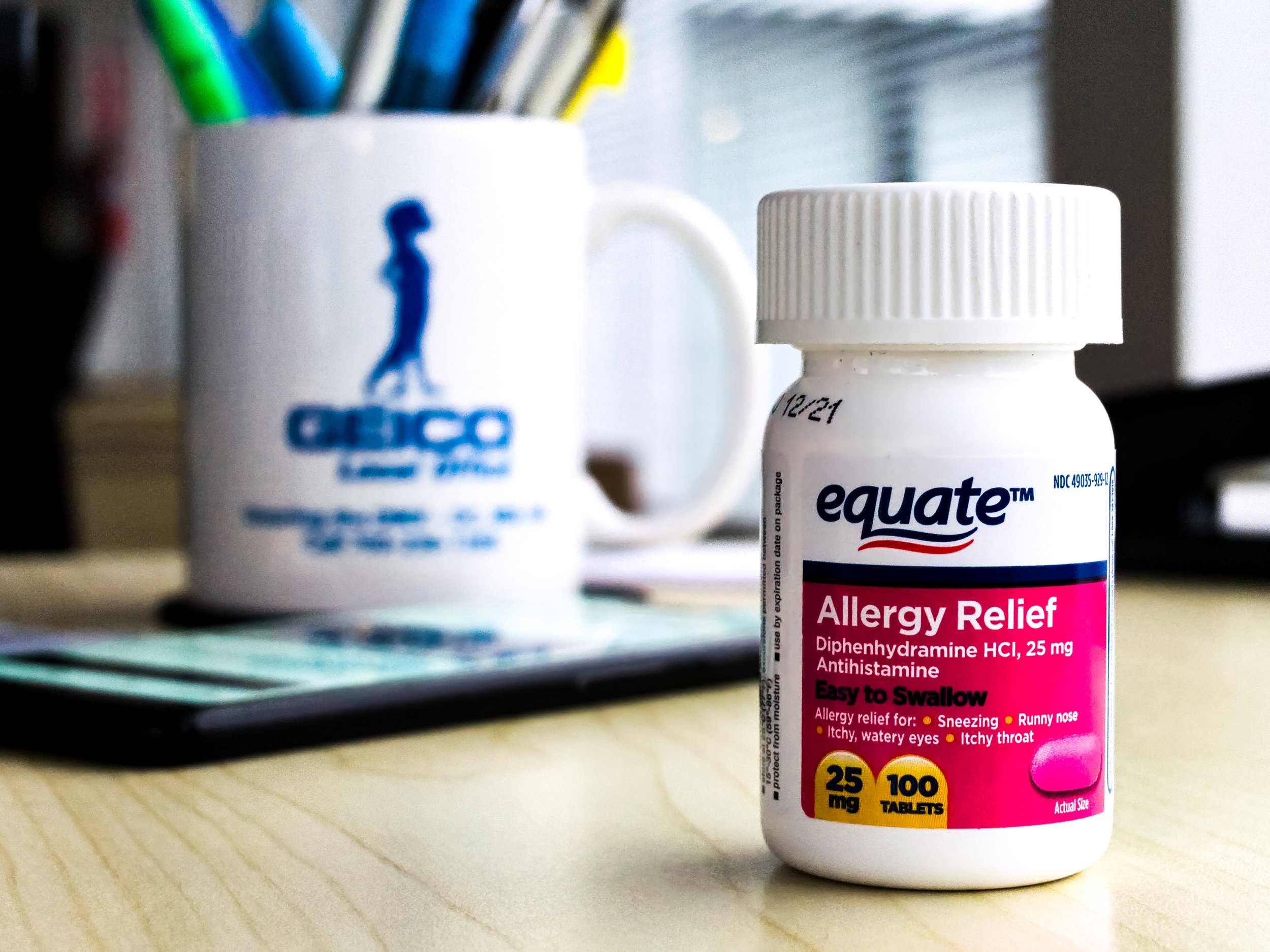
  • Antihistamines: This medicine is designed to block or limit the activity of histamine, a substance your body produces during an allergic reaction. This can help with things like a runny nose or hay fever.

  • Expectorants: Another way of dealing with mucus is through expectorants which is found in many cold and flu medications. As it makes mucus thinner, it’s easier for your body to get rid of. 

Need help with your sinuses? Contact the experts at OAT today to learn more about our services and start combating your nasal and sinus problems. 

What to Expect When Visiting a Hearing Clinic

While the idea of going to a hearing clinic can be scary, there is nothing to worry about. Testing your hearing is a painless process and ensures that you have a plan for maintaining your hearing or creating solutions to solve any hearing loss. 

According to the National Institute on Deafness and Other Communication Disorders, over thirty-seven million American adults ages eighteen and older report some trouble hearing. They’ve also reported that about 28.8 million U.S. adults could benefit from using hearing aids. 

Here are a few things to expect when visiting a hearing clinic: 

  1. Hearing History 

  2. Physical Ear Exam 

  3. Hearing Testing 

  4. Treatment Plan 

Contact OAT today to learn more about our hearing services. 

Hearing History 

Every hearing evaluation with a new patient starts with going over your hearing history. That allows your specialist to know if you’re regularly around loud noises like working in construction, going to concerts, or any other activities. They’ll also go over your health and family history. As reported by the Center for Disease Control and Prevention, fifty to sixty percent of hearing loss in babies is due to genetic causes. Sometimes, both your environment and genetics can create hearing loss. An example of this is a medication creating hearing loss which may only occur in those who have certain genetic mutations. Another factor you’ll discuss is whether you’ve had any physical injuries or surgeries that could have impacted your hearing. 

Physical Exam

Doing a physical ear exam lets your specialist check if any hearing problems are being caused by a blockage from built-up earwax. They’ll also check for any tears in your eardrum, inflammation or fluid buildup. 

Hearing Testing

Next, you’ll do a hearing test. There are a variety of tests your specialist can do to check if you’ve experienced any hearing loss. Below are the five main types: 

Pure-Tone Testing 

This test is familiar for most people if you’ve ever gotten your hearing tested at school or a doctor's office. Often called a “beep” test, this allows your doctor to find the quietest frequency you can hear. 

Speech Testing 

Your audiologist may do a speech test to see how well you hear and repeat words. They can also compare these results to the pure-tone test and confirm any issues with your hearing. 

Tests of the Middle Ear 

Your ear is made up of three parts – the outer, middle, and inner ear. Your middle ear contains the Eustachian tube, a small passageway that connects your throat to your middle ear, and is responsible for sounds going from your outer ear to your inner ear and brain. Tympanometry tests how well your eardrum moves by putting in a small probe, similar to an earphone, and pushing air into your ear. This allows your specialist to see the results on a graph and know if there are any problems, such as a tear, within your middle ear.  

Auditory Brainstem Response 

This test allows you to know how your inner ear, the cochlea, and brain pathways are working. It’s typically done on young children as they’re unable to communicate during their tests. It’s also used for symptoms that may be related to hearing loss in the brain or in a brain pathway. As explained by the American Speech-Language-Hearing Association, the test is done using electrodes that are stuck to your skin and connected to a computer. By wearing earphones, the electrodes record your brainwave's response to various sounds and record it on the computer. The results are then printed out and allow you to see if there are any instances of hearing loss. 

Otoacoustic Emissions

This test checks for any blockage or hearing loss by measuring otoacoustic emissions, why are sounds given off by the inner ear when responding to a sound. The sound in the inner ear is created by hair cells that vibrate in response to outside sounds and quietly echo back into the middle ear. If your hearing loss is greater than 25–30 decibels, you won’t produce these soft sounds. You’ll also be unable to produce these sounds if you have a blockage because it won’t allow for any vibration to occur. Like the auditory brainstem response test, it’s done by listening to sounds, such as through an earphone, and automatically records the results on a monitor. 

Treatment Plan

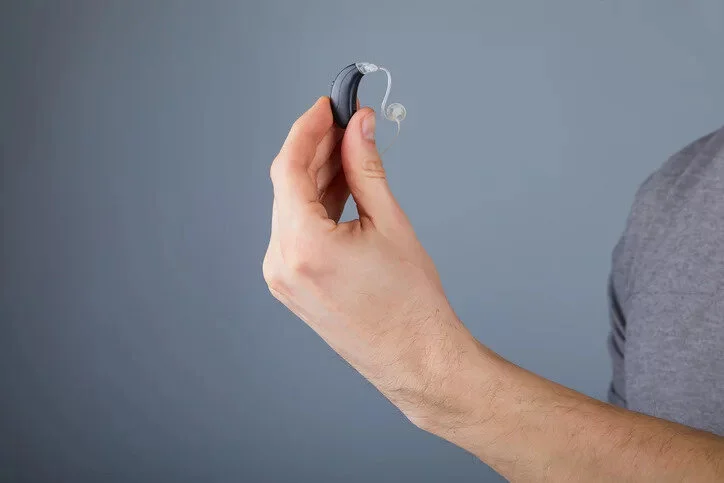
If your hearing is at a healthy level, you’ll typically be advised to come back for a regular check-up within the next year. If you’ve experienced hearing loss, your specialist will come up with the best treatment plan for your condition. This can include things like getting fitted for a hearing aid or a plan for a cochlear implant. Every plan and timeline is different as it’ll be tailored to your specific needs. 

Evaluate Your Hearing with the Experts at OAT

At Otolaryngology Associates of Tennessee, we make the process easy. We provide a respectful, patient-focused approach in a warm atmosphere with the simple goal of giving you the best care possible. 

While there is no magic wand to fix each hearing problem, most hearing health issues can be treated. A proper ear, nose, and throat doctor can address your hearing needs, prevention, maintenance, and enhancement. Whether you need hearing aids or another type of device, our team of doctors and nurse practitioners at OAT works together to ensure you get the individual attention you deserve. 

If you suffer from any of the following symptoms, hearing issues, hearing loss, or diseases, OAT can help:

  • Hearing loss

  • Ear infections

  • Ear tubes

  • Swimmer’s ear

  • Ear wax removal

  • Tinnitus

  • Vertigo

  • Eustachian tube dysfunction

  • Meniere’s disease

  • Ruptured eardrums

  • Eardrum holes

  • Mastoiditis

  • Hearing aids

  • Tinnitus maskers

  • Hunters plug

  • In-ear monitors

  • Musicians’ plugs

  • Custom ear molds

Ready to plan your visit? Contact us today to learn more about our hearing services and get started. 

Common Causes of Hearing Loss

Hearing loss often happens gradually and without someone noticing. According to the World Health Organization, over one and a half billion people globally live with hearing loss. They’ve also found that more than one billion young people, those twelve to thirty-five years old, are at risk for hearing loss due to recreational exposure to loud sounds. There’s also an increased risk as you get older and may naturally begin to lose hearing. 

Hearing loss can impact your daily life by causing social withdrawal, a drop in your self-esteem or self-confidence, and the inability to follow everyday conversation. 

Here are some common causes of hearing loss: 

  1. Exposure to Loud Noises 

  2. Punctured Eardrum 

  3. Trauma or Injury 

  4. Age-Related Hearing Loss 

Exposure to Loud Noises

Exposure to loud noises has been found to be the most common cause of hearing loss. Noise from activities like attending concerts, using a lawn mower, or hunting can all potentially damage the inner ear and lead to permanent hearing loss. 

To prevent this, it’s recommended that you wear earplugs and keep sounds at or below 70 A-weighted decibels (dBA) when possible. As the National Institute on Deafness and Other Communication Disorders states, a normal conversation has a 60-70 dBA. Long or repeated exposure to sounds at or above 85 dBA can cause hearing loss. The louder the sound, the shorter the amount of time it takes to cause hearing damage.

Punctured Eardrum

A number of factors can cause damage to your eardrum with one of the most common factors being an ear infection. When your eardrum is punctured, it causes a hole or tear in the tissue that separates your ear canal from the ear drum. While it can sometimes heal without treatment, it can potentially require surgery to fix and lead to permanent hearing damage. By visiting an audiologist, they’ll be able to determine your hearing level by having you listen to a variety of tones. 

Trauma or Injury

Hearing loss often happens during a traumatic brain injury such as a concussion, due to excessive force. According to Healthy Hearing, nearly half of all traumatic brain injuries are caused by falls, followed by car accidents and assaults. This can lead to a variety of auditory problems such as tinnitus (ringing in the ears), hearing loss, and/or noise sensitivity. Visiting a specialist after a brain-related trauma or injury is key to preventing any further hearing damage and finding the right treatment for you. 

Age-Related Hearing Loss 

Presbycusis, or age-related hearing loss, happens gradually as one gets older. You may notice this if you have trouble following conversations, have started to turn your music or TV up to a louder volume, or often find yourself asking someone to repeat themselves. However, there are ways to treat hearing loss such as through hearing aids, assistive devices, and training in speech-reading.

Let OAT Hearing Services Help You 

At Otolaryngology Associates Tennessee our team of experts can evaluate your hearing and recommend a course of action such as hearing aids. We’re also happy to work with you to suggest protective measures to protect and maintain your hearing.

In our multiple locations throughout the greater Nashville area, we strive to uphold our heritage of community awareness and accessibility. In addition to our physician office visits, we offer a full range of ENT-related services such as hearing testing and hearing aid fitting, allergy testing and treatment, custom ear molding, cancer treatments, and pediatric otolaryngology. 

If you suffer from any of the following symptoms, hearing issues, hearing loss, or diseases, OAT can help:

  • Hearing loss

  • Ear infections

  • Ear tubes

  • Swimmer’s ear

  • Ear wax removal

  • Tinnitus

  • Vertigo

  • Eustachian tube dysfunction

  • Meniere’s disease

  • Ruptured eardrums

  • Eardrum holes

  • Mastoiditis

  • Hearing aids

  • Tinnitus maskers

  • Hunters plug

  • In-ear monitors

  • Musicians’ plugs

  • Custom ear molds

Contact us today to learn more about how OAT can help you. 

How a Pediatric ENT can Help Your Child

Children often get sick as it takes time for their immune system to develop and protect them from everyday bacteria and viruses. Whether it's an ear infection, cold, or cough, it’s important to have an ear, nose, and throat specialist as part of your child’s care team to keep them healthy. 

While some illnesses may go away with time or with over-the-counter medication, your child can still benefit from seeing a specialist. 

Here are a few ways a pediatric ENT can help your child: 

  1. Chronic Ear Infections 

  2. Hearing Loss, Speech, and Language Problems 

  3. Sinus Infections 

Chronic Ear Infections 

According to the National Institute of Deafness and Other Communication Disorders, five out of six children will have an ear infection by their third birthday. It’s also the most common reason why parents bring their child to a doctor. This happens because, during the first four years of a child’s life, their Eustachian tube is still developing which connects the middle ear to the back of the throat and is responsible for draining fluid and equalizing ear pressure in one’s ears. A child’s Eustachian tube is also shorter and straighter than an adult’s which makes it easier for fluids to become trapped there. 

If your child suffers from chronic or recurring ear infections, a pediatric ENT can assess their symptoms and create the best treatment plan for their unique situation. It’s recommended that you take your child to a specialist if their symptoms worsen, last longer than three days, and or cause their hearing to be impacted. 

Contact us to learn more about how we can help your child. 

Hearing Loss, Speech, and Language Problems 

There are a variety of factors that can cause your child to have speech problems such as a cleft palate, problems with their teeth, and hearing loss. The preferred specialist for your child is a pediatric ENT as they’ll be able to run the appropriate tests and find the potential causes of hearing loss or speech problems. They’ll also be able to monitor your child’s speech milestones and if their development is on track for their age. 

Sinus Infections 

Does your child often have a runny nose or congestion? These symptoms are common and can happen more often if they’re in school or at a daycare. While colds are viral infections that go away with time, they can sometimes lead to serious problems like sinus infections. 

A sinus infection happens when fluids build up in your sinuses and causes bacteria to grow. If your child’s symptoms get worse after improving or last more than ten days, it’s recommended that you take your child to a specialist. Especially as sinus infections can lead to other severe illnesses such as vision problems or meningitis. 

Let OAT Help Your Child

At OAT, we treat each and every child as if they were our own. We provide cutting-edge routine and specialty care for ear, nose, and throat disorders and diseases in children. Our practice has generations of experience treating the children of Middle Tennessee.

Whether your child suffers from tongue tie, chronic ear infections, tonsillitis, allergies, or hearing loss, we can help. OAT offers a wide range of in-office diagnostic tools and procedures and our board-certified specialists compassionately work with you and your child to find the right course of treatment.

We provide a full array of pediatric ear, nose, and throat services and treatments for the following:

  • Chronic or recurring ear infections

  • Ear tubes

  • Hearing screening and testing

  • Balance disorders

  • Diagnosis and treatment of pediatric sleep apnea

  • Tonsils and adenoids

  • Pediatric allergies

  • Pediatric sinusitis

  • Pediatric head and neck tumors

  • Speech and language disorders

  • Tongue tie

  • Swallowing disorders

Contact us today to learn more about our pediatric ENT services.

When To See A Sinus Specialist

According to the American Academy of Otolaryngology, approximately 35 million people develop chronic sinusitis each year, making it one of the most common health complaints in the country. So if you suffer from chronic sinus infections and recurring colds, you’re not alone! Fortunately, care of the nasal cavity and sinuses are one of the primary skills of otolaryngologists.

While there are a variety of ways to treat problems with your sinuses, you can highly benefit from seeing a specialist.

Here are a few ways to know when it’s time to see a sinus specialist: 

  1. You’ve Already Tried Home Remedies 

  2. You’re Experiencing Long-Term Symptoms 

  3. You Have Underlying Conditions 

Contact us to learn more about our nose and sinus care services. 

You’ve Already Tried Home Remedies 

Maybe you’ve been sleeping with a humidifier, taking over-the-counter medications, and drinking plenty of fluids but nothing’s changed. What next? If you’ve already tried home remedies, without any relief, it’s recommended that you see a sinus specialist. They’ll be able to diagnose the cause of your problems and the best course of action depending on the severity. This will prevent your symptoms from getting worse and prevent the risk of a serious infection. 

You’re Experiencing Long-Term Symptoms 

Sinusitis is an inflammation or swelling of the tissue lining the sinuses which causes inflammation and makes it difficult to breathe through your nose. As UCLA Health states, chronic sinusitis also impacts other aspects of your daily health, “in these patients, we tend to see depression, loss of productivity, problems concentrating and sleeping, and the sense that you’re constantly living in a brain fog.” 

Most cases of sinusitis last around seven to ten days but if your symptoms persist for longer, it’s best to see a doctor. 

You Have Underlying Conditions: 

While sinus problems can result from a variety of factions, it’s important to be aware of any underlying conditions that can make them happen or get worse. Immune system disorders like cystic fibrosis can lead to nasal blockage since it prevents the normal flow of air in and out of your lungs and other organs. This creates a sticky mucus that breeds bacteria and viruses. Another cause is respiratory infections as they can inflame and thicken your sinus membranes and block mucus drainage.

As Mayo Clinic states, chronic sinusitis complications are rare but they may include vision problems and infections. If your sinus infection moves to your eye socket, it can cause reduced vision or possibly create permanent blindness. A serious infection can occur if inflammation of the membranes and fluid surrounding the brain and spinal cords occurs. 

Let the Specialists at OAT Help You: 

At OAT, our board-certified specialists will help you breathe more easily by providing comprehensive treatment for your nasal and sinus problems. 

Whether you’re experiencing common nasal ailments like allergies (both seasonal and airborne), smell disorders, or, nasal obstruction due to a deviated septum or a serious or reoccurring infection, our team is here to help. 

Our Services and Conditions Treated Include: 

  • Rhinitis

  • Sinusitis

  • Nasal obstruction

  • Balloon sinuplasty

  • Endoscopic sinus surgery

  • Postnasal drip

  • Deviated septum

  • Nasal polyps

  • Acute sinusitis

  • Chronic sinusitis

  • Frequent nosebleeds

  • Smell disorders

  • Septoplasty

  • Turbinate reduction

  • Functional rhinoplasty

Ready to learn more about our services? Contact us today to get started. 

Signs it’s Time to Visit a Hearing Center

Our ears are incredibly complex and delicate organs that are not only responsible for collecting, processing, and sending sound signals to our brains and enabling us to hear, but they also help us maintain our equilibrium and balance. As you get older, it’s common for hearing loss to occur. While it may happen gradually over time, it’s easy to not realize just how much your hearing has changed. 

According to the Hearing Loss Association of America, the average American with hearing loss waits seven years before seeking help. Hearing loss has also been shown to negatively impact nearly every aspect of an individual’s life such as physical health, emotional and mental health, family relationships, and self-esteem. That’s why we’ve put together a list of signs it's time to visit a hearing center.

A few signs its time to visit a hearing center include: 

  1. Trouble Following Conversations 

  2. Ear Pain 

  3. Experiencing Tinnitus 

  4. You’re Due For A Checkup 

Trouble Following Conversations

When experiencing hearing loss, it can become difficult to follow a conversation, even when there is little to no background noise. You may also find yourself needing to turn up the volume when watching TV, speaking to someone on the phone, or listening to the radio. This can cause issues in your daily life as you may miss important information when speaking with your friends and family or at work. 

Ear Pain 

While ear aches are common for children, they happen often for adults too. Common causes include earwax buildup, which can harden and block your ear canal, changes in air pressure, and swimmer’s ear, which happens when water is trapped in your ear canal, and breeds germs. 

Certain causes of ear pain like swimmers' ear can cause future problems as an infection can spread to other areas surrounding the ear and may require urgent medical attention. 

Click here to learn more about our services and request an appointment. 

Experiencing Tinnitus

Do you have ringing in one or both ears? As stated by Mayo Clinic, the noise you hear when you have tinnitus isn't caused by an external sound, and other people usually can't hear it. It’s a common problem and affects about 15% to 20% of people, and is especially common in older adults. Other symptoms include buzzing, clicking, and humming noises. Common causes include hearing loss, ear infections, head or neck injuries, and medications. 

You’re Due For A Checkup

The American Speech-Language-Hearing Association’s (ASHA) guidelines state that healthy adults ages 18-40 years old, who are not experiencing any noticeable hearing loss, should have their hearing tested every three to five years. However, for other groups, such as those over 60 years old, it’s recommended that you get tested more often. People who are often exposed to loud noises such as those working in live music or construction are more likely to develop hearing loss and should get their hearing tested once a year. 

During a checkup, a baseline hearing test a baseline test will show you where your hearing is at that point. A more comprehensive test is a hearing screening which is either pass or fail. If you fail the test, a specialist will be able to give you a more detailed evaluation. 

OAT, a Nashville Hearing Center: 

At Otolaryngology Associates of Tennessee, we strive to create a culture of patient-centered care valuing accessibility, compassion, innovation, and education. We provide a respectful, patient-focused approach in a warm atmosphere. 

Our team of physicians, practitioners, and experienced audiologists will listen to your concerns, conduct thorough diagnostic tests and hearing evaluations, and will recommend the best possible course of treatment. We are also happy to work with you to suggest protective measures to protect and maintain your hearing.

Contact Otolaryngology Associates of Tennessee today to learn more about our hearing services. 

A Pediatric Otolaryngologist Can Help Your Child

Does your child have trouble breathing? If so, they may be experiencing issues with their tonsils and adenoids. To correctly identify the sinus needs of your child, a visit to your local otolaryngologist will be beneficial. 

Obviously, your child's health is something that is very important to you. It is often difficult to understand what health issues are affecting your child, especially if they are young. For this reason, ENT clinics are very useful. It is important to ensure your child gets the care they need by having an ear, nose, and throat specialist analyze the source of their discomfort instead of making an educated guess on your own. 

While a general practitioner is usually a good place to start, this can sometimes be a waste of time if they are already going to recommend you visit a pediatric otolaryngologist in Nashville, TN. 

Here’s how a pediatric otolaryngologist can help your child:

  1. Pediatric ENT Services

  2. Pediatric Health Assessment 

  3. Sinus & Nasal Surgery

  4. Ear Tube Solutions 

  5. Pediatric Otolaryngology with OAT

Pediatric ENT Services

At OAT, our team of Pediatric specialist provide a full array of pediatric ear, nose, and throat services and treatment for the following: 

  • Chronic or recurring ear infections

  • Ear tubes

  • Hearing screening and testing

  • Balance disorders

  • Diagnosis and treatment of pediatric sleep apnea

  • Tonsils and adenoids

  • Pediatric allergies

  • Pediatric sinusitis

  • Pediatric head and neck tumors

  • Speech and language disorders

  • Tongue tie

  • Swallowing disorders

Pediatric Health Assessment

As with any doctor's appointment, a pediatric otolaryngology appointment will begin with a health assessment of your child. When it comes to young children who like to rough house and get their hands dirty, frequent nose bleeds or other sinus issues are not uncommon. 

However, when you begin to notice an abnormal amount of nosebleeds or discharge from your child’s sinuses, a visit to a local ENT might be in your best interest. From sinus issues such as labored breathing, issues with swallowing, excessive snoring or even allergies, a pediatric ear, nose and throat specialist can ensure that your child is experiencing any life threatening issues. 

Similarly, outside of sinuses, your child may be experiencing some form of hearing loss. With that in mind, an experienced otolaryngologist can also assess your child’s hearing. While our children might not listen to us every time we speak to them, if your child has been notorious for not listening, but has a decent temperament, you may want to seek the opinion of a local ENT specialist. When it comes to your child, what seems like a lack of listening skills may actually have nothing to do with your child’s attention span. 

Sinus & Nasal Surgery

For many pediatric patients, allergy treatment and antibiotics can control sinusitis; however, for others, surgery may be required. At OAT, our highly-qualified otolaryngologist surgeons can perform balloon sinuplasty, a minimally-invasive, in-office sinus procedure for patients seeking relief from painful sinus infections. 

For young patients whose breathing problems are caused by their tonsils and adenoids, removal surgery can help to improve airflow, or can even reposition the breathing mechanism to help patients breathe more freely. Upon visiting your local ENT specialist, you’ll be able to decide which plan of action will be best for your child. 

Whether your child will need surgery or a simple antibiotic will depend on the severity of the sinus situation. 

Contact Otolaryngology Associates of Tennessee for your pediatric nasal and sinus issue needs.

Ear Tube Solutions 

While it is normal for the majority of children to experience some form of an ear infection over the course of their lifetime, it is not normal for a child to experience an ear infection every year. While the majority of these cases can usually be cleared up with antibiotics, more severe cases occasionally arise and tend to persist.

If your child experiences multiple ear infections within six months, or has a resistance to antibiotics used to treat ear infections, see a pediatric ENT. In this case, ear tubes will likely be necessary and provide the greatest ease for your child's discomfort.

Pediatric Otolaryngology with OAT

At OAT, we treat each and every child as if they were our own. We provide cutting-edge routine and specialty care for ear, nose, and throat disorders and diseases in children. Our practice has generations of experience treating the children of Middle Tennessee.

Whether your child suffers from tongue tie, chronic ear infections, tonsillitis, allergies, or hearing loss, we can help. OAT offers a wide range of in-office diagnostic tools and procedures and our board-certified specialists compassionately work with you and your child to find the right course of treatment.

CONTACT OAT IN NASHVILLE, TN TODAY!

Why You Should Visit an Ear, Nose, and Throat Doctor

There are several reasons to see an ENT doctor, and excessive ear wax is sometimes a reason. If you do not have the proper medical services at your disposal, dealing with issues related to ears, noses, and throats can be challenging. 

Obtaining the right diagnosis and getting the right treatment are important components of visiting an ENT doctor. It can be difficult to tell if your symptoms require a medical consultation, especially when there are so many reasons to see an ENT specialist. Nonetheless, there is no need for you to worry as all the information you could possibly need will be provided to you. 

Here’s when you should seek treatment from an ear, nose and throat doctor:

  1. Chronic Tonsillitis

  2. Regular Sinusitis

  3. Consistent Ear Infections

  4. Persistent Allergies

  5. Hearing Loss in Various Stages

  6. Enlarged Neck Lymph Nodes

Chronic Tonsillitis

Both children and adults can suffer from tonsillitis, however, if you find yourself repeatedly suffering from sore throats or tonsillitis, it may be time to see an ENT doctor. Having your tonsils removed may not be necessary, but the procedure usually requires very little downtime, and you'll get to enjoy plenty of tasty ice cream for a few days. 

Symptoms of tonsillitis include difficulty breathing, excessive salivation, severe throat pain, high temperature, and throat pain. Therefore, you should consult an ENT to get a diagnosis and to find out more about your possible treatment options.

Regular Sinusitis

ENT doctors are also often called to treat sinusitis. A common condition associated with the cavities around nasal passages is sinusitis. The inflammation and swelling of the sinuses are likely to last for at least 12 weeks with this illness. Your local ENT specialist can help you find the right treatment options if you or a loved one are suffering from chronic sinusitis.

Unlike primary care doctors, an ear, nose, and throat specialist can provide specialized healthcare services in this area. We can assist you in determining the most appropriate sinusitis treatment plan for you with the help of an ENT specialist.

Consistent Ear Infections

Children commonly suffer from infections in their ears due to sinus issues. Despite the fact that ear infections can affect people of all ages, persistent ear infections in adults can often be a sign of a throat tumor. You should schedule a visit with your local ENT doctor if you experience regular ear infections or ear pain. In addition to treating your ear infection pain, an ear, nose, and throat doctor will ensure your sinuses are free of tumors. 

Contact Otolaryngology Associates of Tennessee for your nasal and sinus issues.

Persistent Allergies

An ENT specialist could be of great assistance for someone with allergies of various types, whether they're seasonal or generic. Allergies can affect any part of the body including the skin, eyes, stomach lining, nose, sinuses, throat, and lungs. As a result of these allergic reactions, your body, schedule, and sometimes even your life can be completely upset.

 A physician can ensure you understand your allergies and stay on top of them so your body does not have to, so your immune system can fight off germs that are inhaled, swallowed, or come in touch with your skin. Living a more easy and safe life is possible with allergy treatment options. 

Hearing Loss in Various Stages

The loss of hearing, which is a normal consequence of aging, is another reason to consult with an ENT specialist. Symptoms of sudden hearing loss are often the result of an underlying more serious condition. You can find out why you are experiencing sudden hearing loss by visiting a qualified ear, nose, and throat doctor. 

In addition to ear infections, circulatory problems, and other neurological issues, sudden hearing loss can also be caused by sudden onset of allergy symptoms. A hearing test can be conducted by an ENT to find the cause and solution.

Enlarged Neck Lymph Nodes

Many people may begin to experience various swollen lymph nodes on their bodies as they age. Usually benign, these lumps will last between two weeks and three months; however, a lump that stays longer should be evaluated by an ENT. Different types of cancer may sometimes cause persistently swollen lymph nodes in the neck. Make sure that any head or neck issues do not spread to other areas by seeing an ENT doctor.

ENT procedures come with minimal risk factors or long-term side effects. However, depending on the solution that is right for you, you will still want to be in good hands. By choosing an ENT specialist who has been board certified, such as OAT, you increase the likelihood of a successful and efficient procedure. 

If you suspect issues with your sinuses, contact OAT today to schedule an appointment.